 tuong123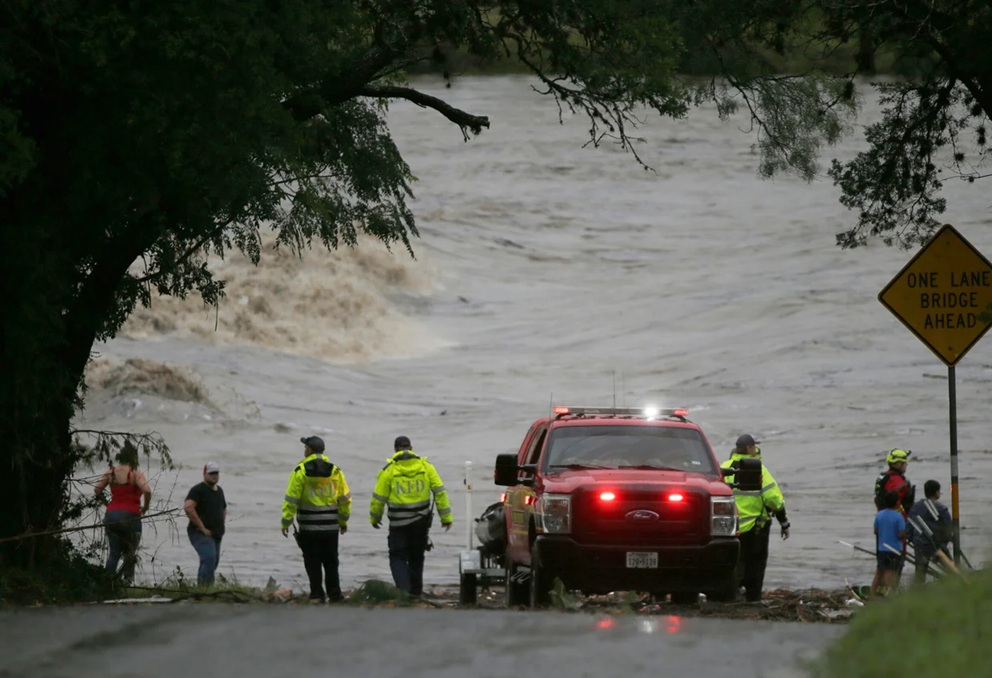
Devastating Flash Floods Strike Texas on Independence Day, Leaving Destruction Behind
On what was meant to be a day of celebration, parts of Texas were instead thrown into chaos as massive flash floods ripped through communities on July 4th. The disaster unfolded in the Texas Hill Country, where intense rainfall caused rivers to rise at an alarming rate — up to 26 feet in less than 45 minutes in some areas.
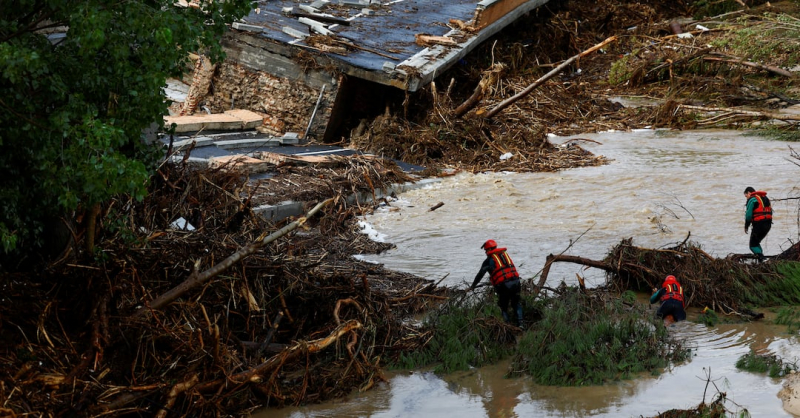
The flooding came after several inches of rain fell in a very short period, overwhelming drainage systems and sweeping away cars, homes, and anything in the water’s path. The Guadalupe River, in particular, surged past major flood stages, forcing emergency evacuations and water rescues throughout the region.
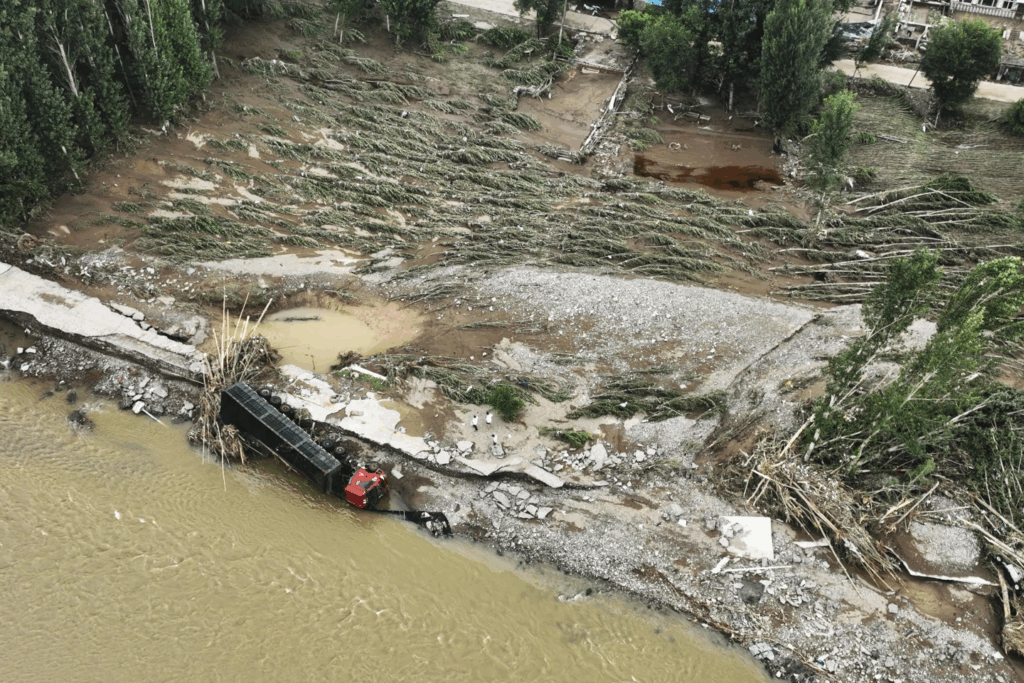
Authorities have confirmed multiple fatalities, with dozens more injured or missing. Search and rescue operations are ongoing, as entire neighborhoods remain inaccessible due to water damage and debris. Roads have been destroyed, and power outages continue to affect thousands of households.
Texas Governor Greg Abbott has declared a state of emergency and has requested federal assistance. “This is one of the most severe flash flooding events we’ve seen in recent years,” he said during a press briefing.
Witnesses described the water arriving like a “wall of destruction,” giving residents little to no time to prepare. Videos shared online show homes being swallowed whole and vehicles being tossed around like toys.
What began as a national holiday ended in heartbreak for many Texans. The disaster has once again raised concerns about infrastructure, emergency preparedness, and the increasing frequency of extreme weather events in the U.S.
Relief efforts are already underway, and many local communities have come together to support those displaced by the floods. But for now, Texas faces a long and painful road to recovery.

 rim123